Journal
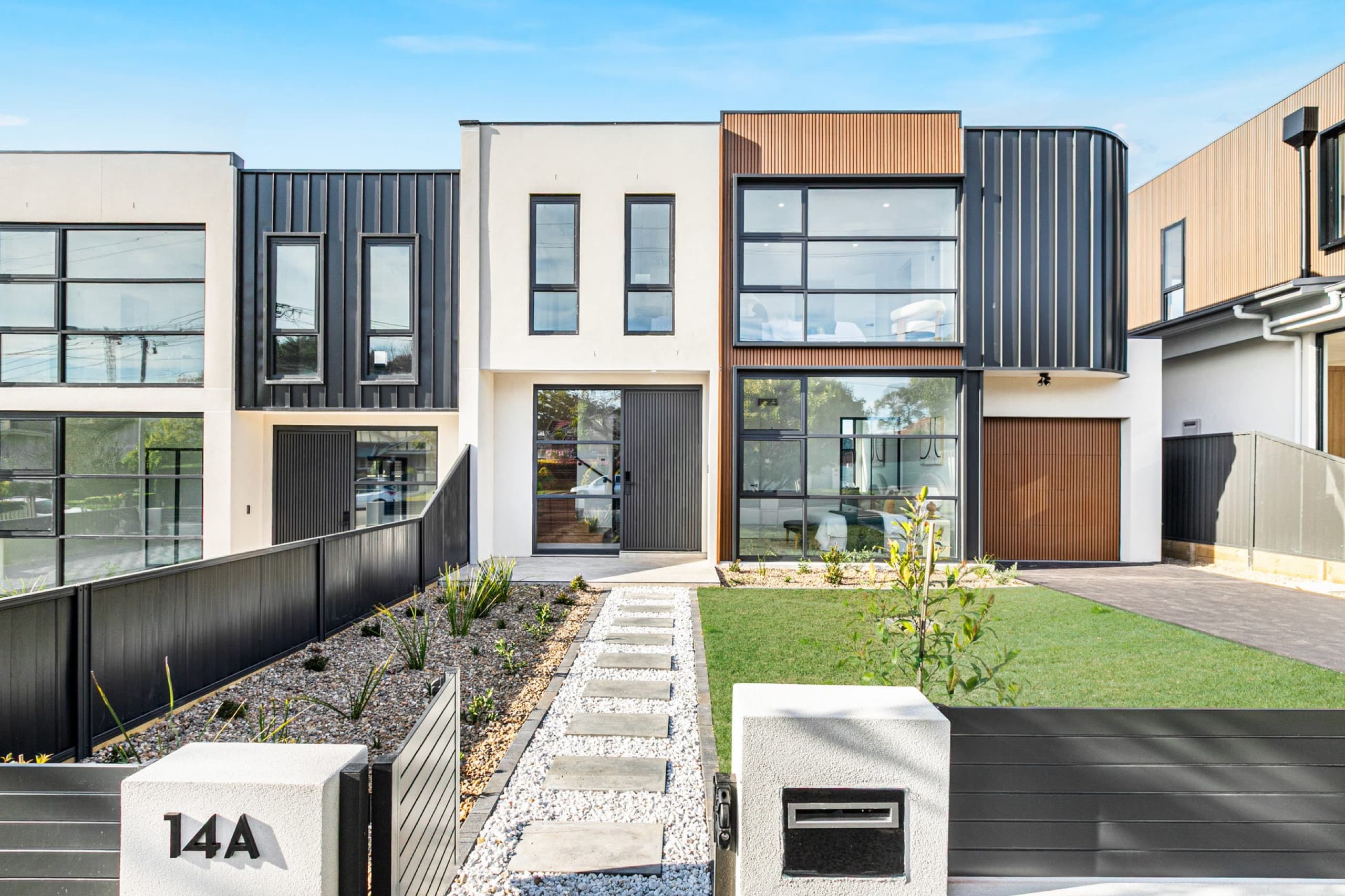
How to stage your home for sale.
For vendors
28 May 2026
10 minutes of reading
Start with the rooms that sell the home
If you are staging your home for sale, the goal is simple to say and harder to do: help a buyer picture their life here within the first few minutes of walking in. Most of that decision is made in three or four rooms, so that is where the effort and the budget should go.
Buyers form an impression at the front door and spend the rest of the inspection either confirming it or arguing with it. Staging a home for sale is the work of making that first impression an easy yes, then not undoing it in the rooms that follow.
Here is how we think about it, room by room, along with the parts worth doing yourself and the parts where a stager earns the fee.
Stage for the buyer, not for yourself
The most common mistake is styling a home to your own taste rather than the buyer's. Your home reflects how you live, which is exactly what a buyer is trying to see past. Staging quietens the personal signal so the architecture and the space can speak.
In practice that means neutral palettes over bold ones, fewer pieces rather than more, and furniture sized to flatter the room rather than fill it. The aim is a home that feels like anyone could move in, not one that feels like someone specific already has.
Where to spend, where to save
Spend on the living room. It is the first large space most buyers see and the one they linger in. A well-proportioned sofa, a rug that anchors the room, and good light do more here than anywhere else.
Spend on the main bedroom and the kitchen. Buyers read these as signals of how the whole home is kept. A made bed in good linen and a clear bench go a long way.
Save on spare rooms and studies. They need a clear purpose and little else. One bed or one desk tells the story; a fully dressed guest suite rarely changes a price.
Save on anything the buyer will replace anyway. There is no return in styling a laundry or a garage beyond clean and tidy.
A staged home is an edited home. Almost every room improves more from what you take out than from what you bring in, which is why the first hour of any install is usually spent removing things rather than adding them.
The three levers: scale, light, and restraint
Scale is the one amateurs miss. A sofa that is too small makes a living room feel like a waiting area, and a bed that is too large makes a bedroom feel cramped. Furniture should be chosen for the proportions of the room, which sometimes means a smaller piece than you expect.
Light is the cheapest improvement available. Open every curtain, clean the windows, swap dim or mismatched globes for warm consistent ones, and add a lamp to any corner the ceiling light misses. Homes photograph and show on light.
Restraint ties it together. A coffee table needs one considered object, not five. A shelf reads better half full than crammed. When in doubt, remove one more thing and stop.
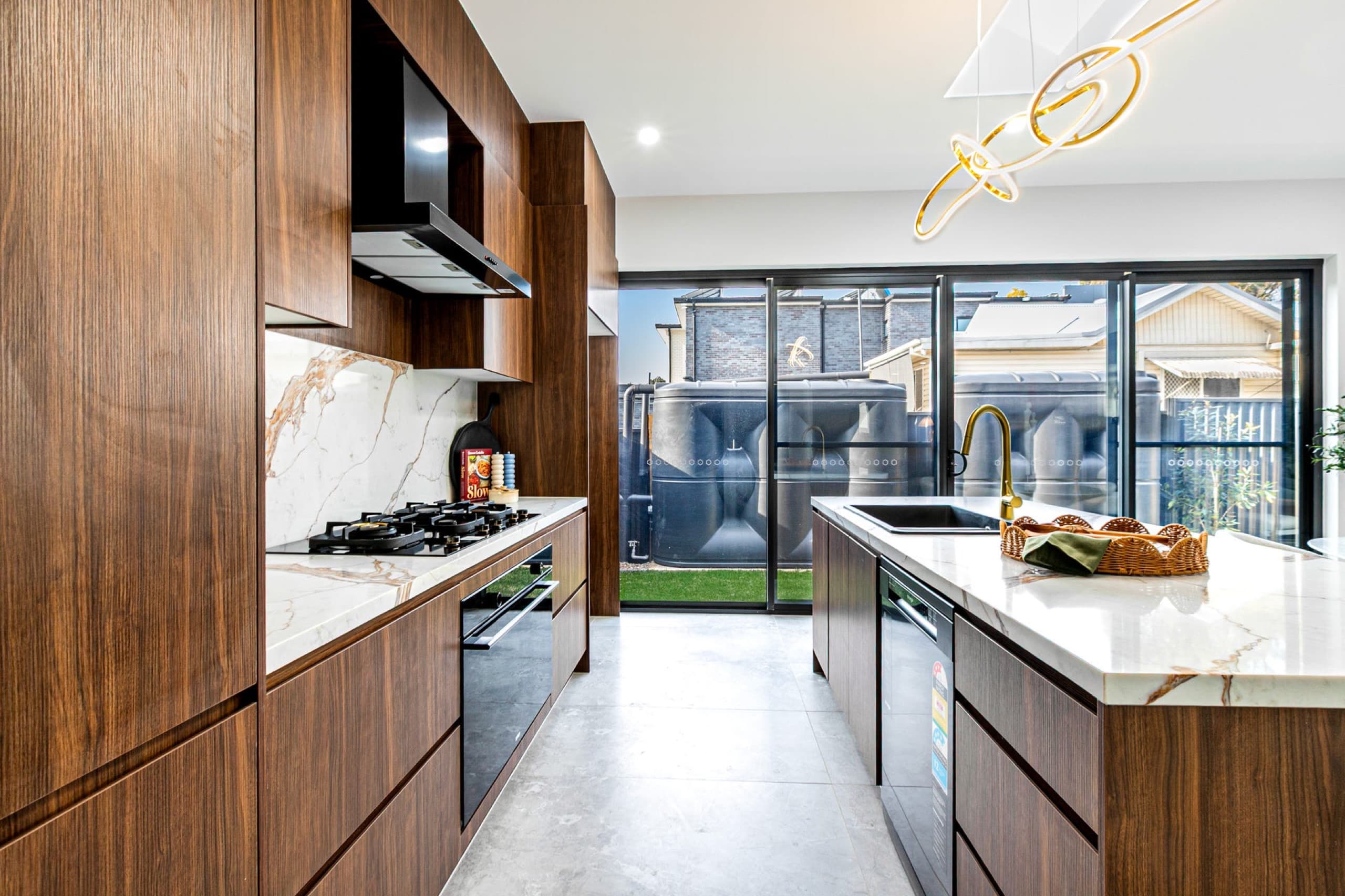
A living room edited down to scale and light. The restraint is the styling.
What you can do yourself
Plenty of this is within reach without a stager. Declutter and depersonalise, deep clean, fix the small faults a buyer will notice (the loose handle, the marked wall, the dead globe), and open the home up to light. That alone lifts most homes.
Where a stager earns the fee is the furniture itself, and the eye that sizes and places it. If the home is empty, that gap is the whole job. If it is lived in, the question is whether the existing furniture helps or fights the rooms, which is the call we are happy to make with you before you spend anything.
“A staged home is an edited home. Most rooms improve more from what you take out than from what you bring in.”
The Dekore studio
A simple order of operations
If you do this yourself, work in this order: clear and depersonalise first, clean second, fix the small faults third, then style for light and scale last. Doing it in that order means you are styling a clean, calm home rather than decorating around its problems.
If you would rather hand the styling to us, send the property and a few photos. We reply within one business day and tell you which rooms carry the campaign, whether the home wants full staging or a lighter touch, and what it will cost.
Read more
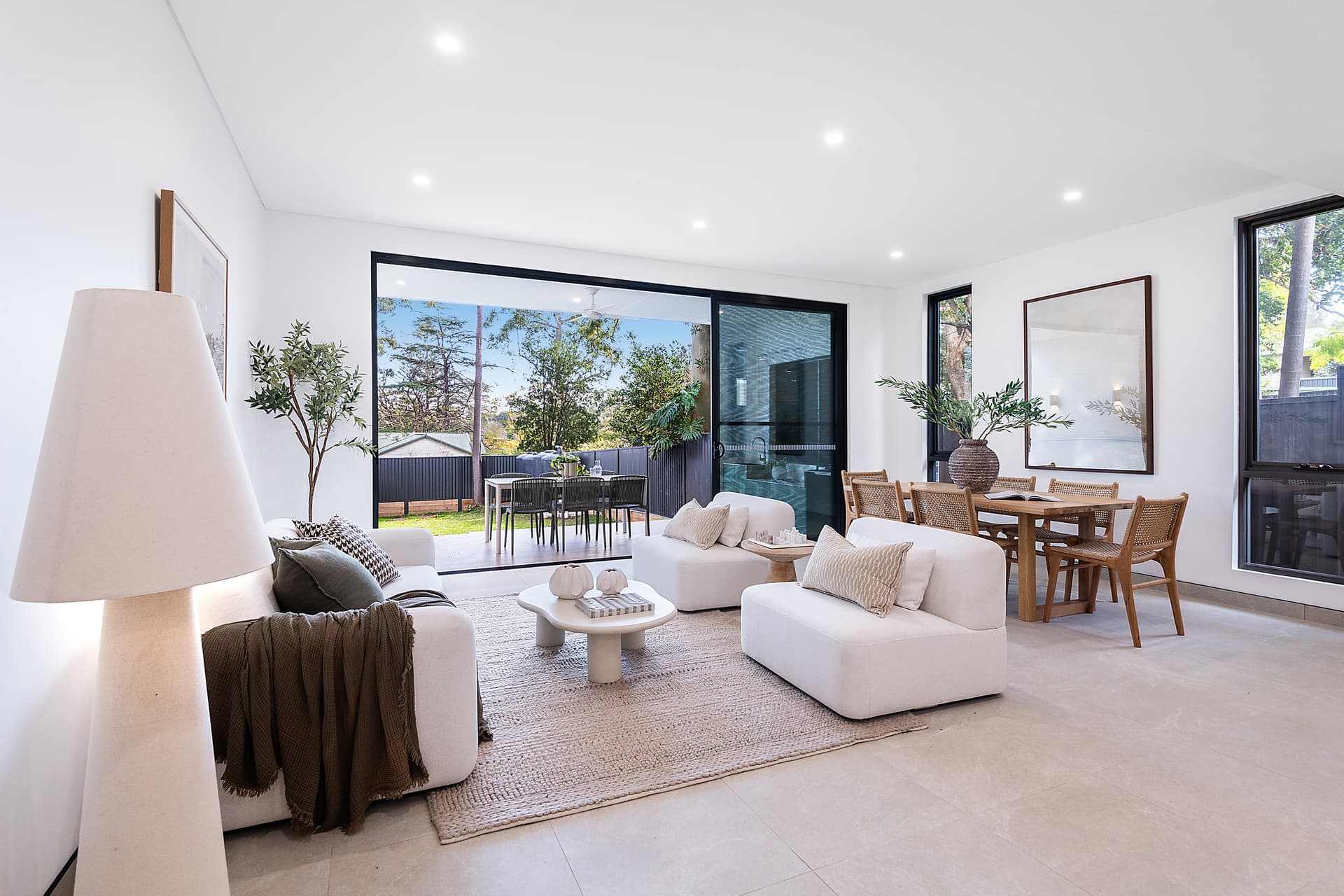
How much does home staging cost in Melbourne, honestly.
2 June 2026
8 minutes of reading
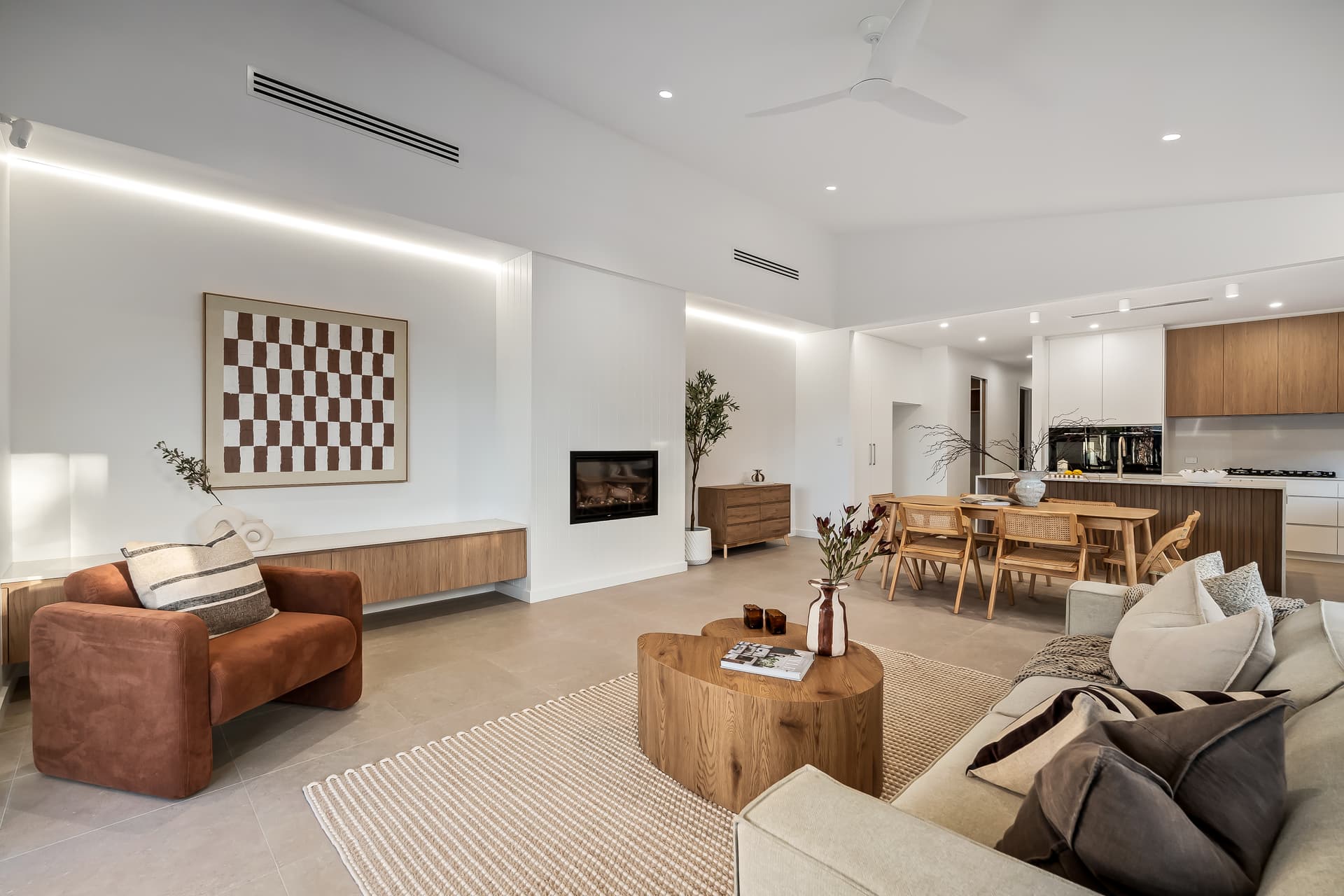
How to prepare your home for staging.
26 May 2026
5 minutes of reading
Partial staging or full staging: which one a home actually needs.
19 May 2026
6 minutes of reading
How to make a small room look bigger.
12 May 2026
6 minutes of reading
Have a home coming to the market?
Tell us about the home. We reply within one business day.
Request a quote